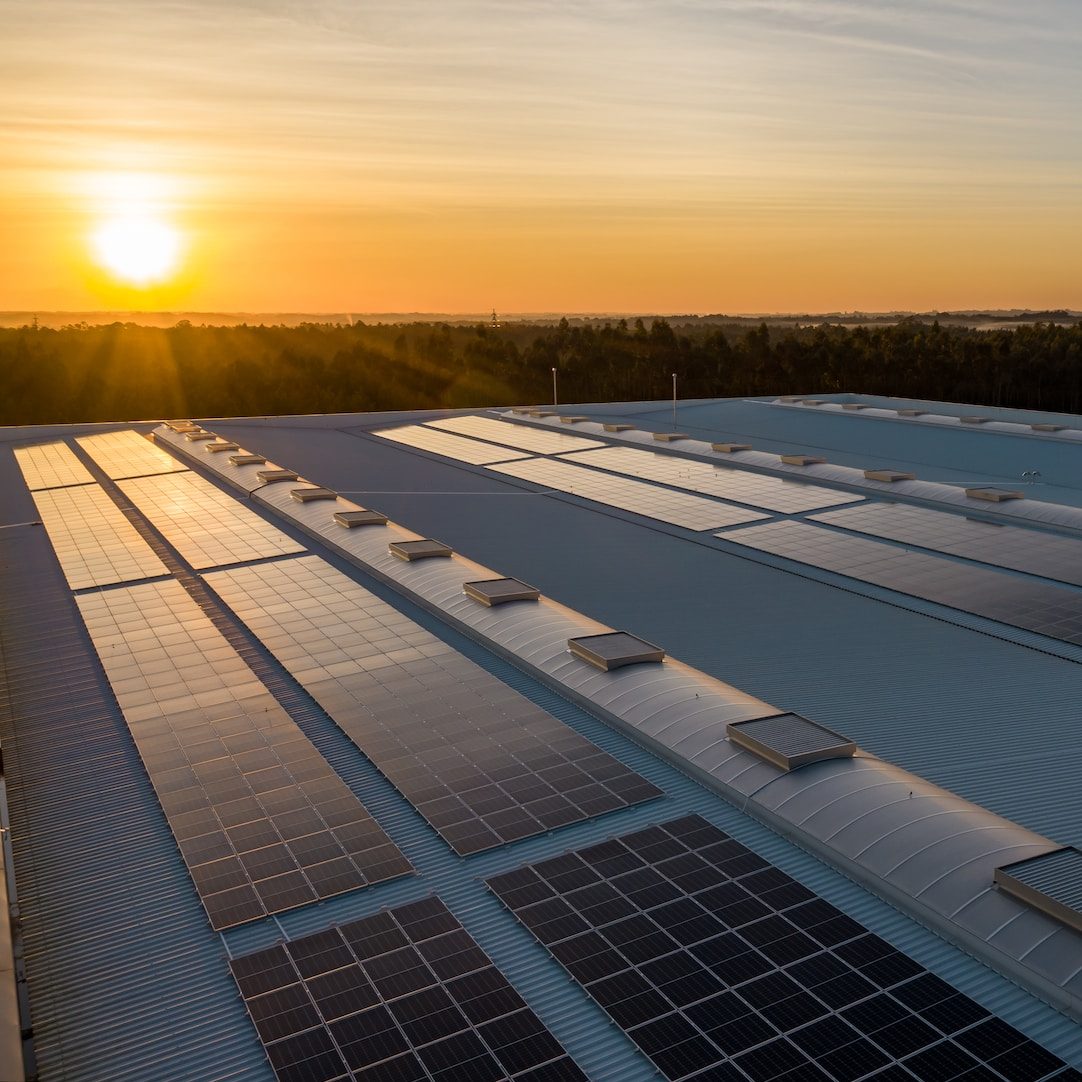
Power the future of innovation with our Electrical Engineering program, where cutting-edge technology and engineering expertise electrify advancements across industries.
PROGRAM COMMITTEE

Prof. Mohammed W Baidas
PROGRAM DIRECTOR
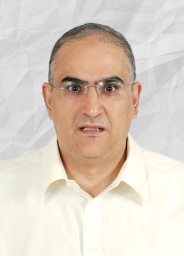
Prof. Mohamed Zribi
COMMITTEE MEMBER
Dr. Mohammad A Almulla
COMMITTEE MEMBER
Dr. Hashem H Mohammad
COMMITTEE MEMBER
Degree
The Department of Electrical Engineering (College of Engineering and Petroleum) offers a Master of Science Program in Electrical Engineering. Degree requirements include either thesis or non-thesis options. The objective of the program is to demonstrate individual accomplishment of high professional and academic standard. At present research is being carried out in the following general areas: Power Systems, Electrical Machines, Control Systems, Microwave Integrated Circuits, Microwave Solid State Devices, Communication, Radar and Multidimensional Digital Signal Processing. English is the Language of
instruction and research. The program offers both thesis and non-thesis options.
Vision
To be a regionally and internationally recognized program in graduate Electrical Engineering education, training/services, research, and innovation. The program will produce globally competent Electrical Engineers who can help in addressing the challenges facing the country and in achieving a sustainable socio-economic development of the State of Kuwait and the region.
Mission
To provide high quality and broad Electrical Engineering education, to conduct strong basic and applied research, and to serve the industry, the profession, and the community at large through innovative solutions, dissemination of knowledge, and advancement of science and technology. The program strives to create a stimulating academic environment that promotes excellence in teaching and research to guide the graduates to become competent, innovative, and responsible professionals.
Educational Objectives
- Graduates are expected to acquire high-quality Electrical Engineering education, to engage in productive careers (locally and globally), and/or to pursue further academic studies at acclaimed institutions.
- Graduates are expected to be proficient and independent researchers who can analyze, synthesize, apply, and extend major theories and methods related to various areas of Electrical Engineering.
- Graduates are expected to exhibit social, ethical, and professional responsibilities and leadership in the practice of Electrical Engineering, or related areas.
Student Learning Outcomes
- To apply advanced knowledge of mathematics and science in a creative way to design, develop, produce, and manage systems and/or services for the society.
- To apply knowledge of specialized Electrical Engineering concepts in engineering analysis, and design as well as understand the impact of their engineering solutions in the global, societal, and environmental contexts.
- To effectively communicate engineering results, designs, and solutions to different audiences.
- To review, analyze, and interpret scientific literature, and contemporary issues in the Electrical Engineering field, while being able to evaluate and critique complex Electrical Engineering issues using modern engineering tools and experimentation.
- To conduct and produce quality research in Electrical Engineering, and to understand professional and ethical responsibilities, while being able to effectively communicate and document their research outputs.
Program Faculty