Delve into the depths of algorithmic innovation and advanced computing in our Computer Science graduate program, designed to shape the next generation of tech pioneers.
PROGRAM COMMITTEE
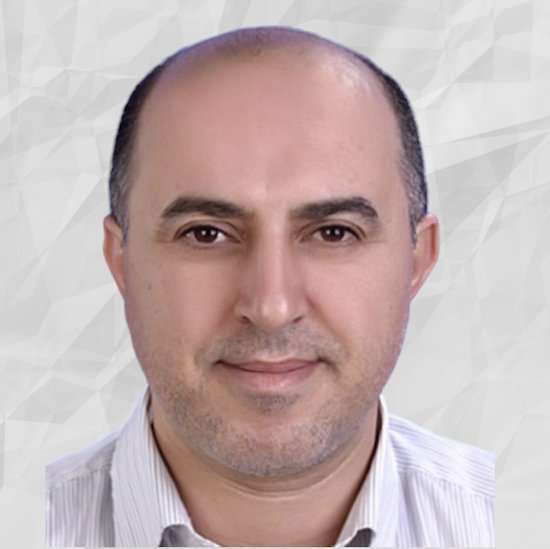
Prof. Hamdi Yahyaoui
PROGRAM DIRECTOR
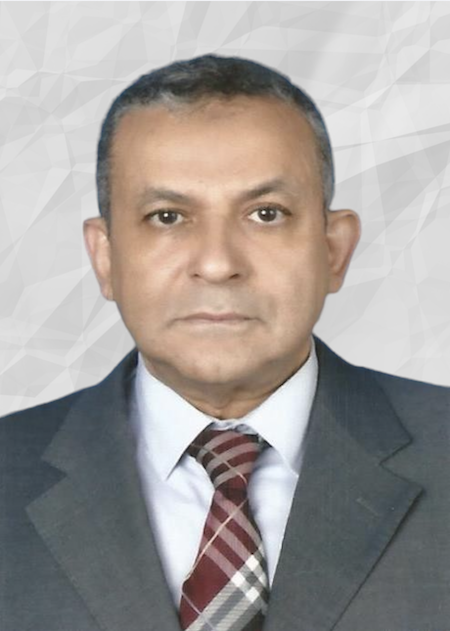
Dr. Hosam Mohamed Aboelfotoh
COMMITTEE MEMBER

Dr. Lulwah Kh Alkulaib
COMMITTEE MEMBER
The Computer Science Department (College of Science) offers a graduate program that leads to the degree of Master of Science in Computer Science. The program features a thesis and a non-thesis option. The thesis option requires a successful completion of a thesis, and the non-thesis option requires the completion of a project. The graduate program in Computer Science places equal emphasis on fundamentals and practical aspects of Computer Science. Current research interests of the faculty include: algorithms, artificial intelligence, database systems, networks and distributed systems, and software engineering. The aim of this program is to prepare students for industrial and research careers.
Vision
The Computer Science M.Sc. program enables graduates to excel in scientific research in Computer Science areas, professional development, and the design of advanced computational systems. The program graduates have a deep and broad understanding of the foundations of computer science, as well as capability of developing state-of-the art computer-based solutions to contemporary problems and contributing to research in Computer Science.
Mission
The program provides the postgraduate education for students with computer science background at the Bachelor level, to strengthen their Computer Science knowledge and capabilities in both research and development of reliable and efficient software systems and designing computer-based solutions for problems. The program offers courses in a wide range of subfields of Computer Science including but not limited to advanced computer systems, the theory of computation, security and privacy, databases, high-performance computing, and artificial intelligence.
Educational Objectives
- Students acquire deep understanding and skills in a broad range of computer science areas.
- Students are prepared to pursue a Ph.D. degree, solve research problems, and produce high-quality publications in a computer science area.
- Students are engaged in life-long learning, continuously seek professional development, and promote technological advancement.
Student Learning Outcomes
- Perform independent investigations to identify research problems and analyze the related literature.
- Identify and analyze computer science theoretical and applied research problems and develop novel solution approaches.
- Design, implement, and evaluate computing-based solutions to meet a given set of computing requirements.
- Perform systematic experimental evaluations or rigorous analysis to develop evidence on the correctness of solutions.
- Function effectively as a member or leader of a team engaged in activities appropriate to the program’s discipline.
Program Faculty
| Rank | Name | Research Area | Publications |
|---|---|---|---|
| Professor | Hazem Raafat | ||
| Professor | Hamdi Yahyaoui | Scopus, ORCID, Scholar | |
| Associate Professor | Hosam Mohamed Fahmy Aboelfotoh | Algorithms, Networks, Parallel Computing, AI | Scopus, ORCID, Scholar |
| Associate Professor | Zaid A A H Hussain | ||
| Associate Professor | Hussain M J S A Almohri | Systems security, Network security, Security optimization, Machine learning | Scopus, ORCID, Scholar, LinkedIn |
| Associate Professor | Hamid H M A Alhamadi | ||
| Associate Professor | Mohamed Raef Smaoui | ||
| Assistant Professor | Mohammad A A H Al-mutawa | ||
| Assistant Professor | Mansour M M Abdulaziz | ||
| Assistant Professor | Fawaz M Sh Alazemi | ||
| Assistant Professor | Lulwah Ahmad Kh Alkulaib | My research areas include Natural Language Processing (NLP), Social Media Analytics, Behavioral Modeling and Mental Health Informatics, Computational Linguistics for Low-Resource Languages, Machine Learning and Deep Learning, Graph-based Learning and Multi-task Learning, and Public Health Informatics.
Broadly, my work focuses on developing computational methods that advance NLP and machine learning by analyzing large-scale linguistic and behavioral data. I model online human behavior and communication, particularly on social media platforms, to derive insights into public health and mental health indicators. I also work on improving computational approaches for low-resource languages to enhance their representation and accessibility. Across these efforts, I integrate deep learning, graph-based techniques, and multi-task learning to design robust, application-driven solutions that support interdisciplinary research at the intersection of language, behavior, and health. |
Scopus, ORCID, Scholar, LinkedIn |
| Assistant Professor | Noura F J Aljeri |